



Salt Spray Testing and Estimated Service Life
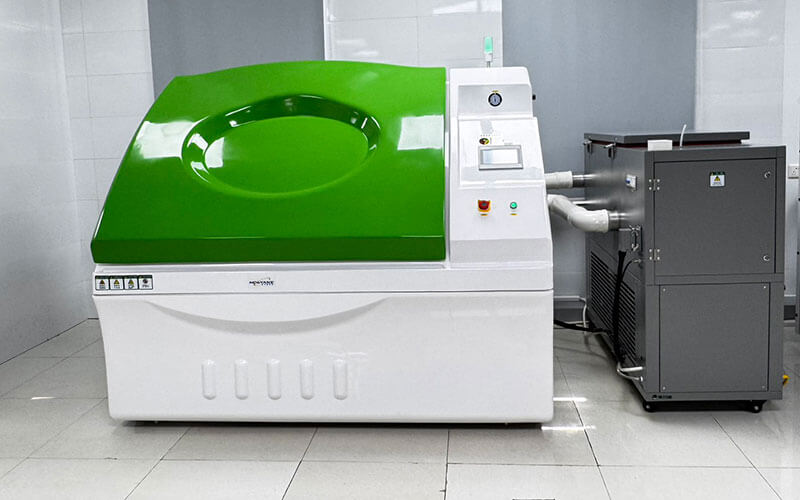
Purpose of Salt Spray Testing
Salt spray testing is one of the most widely used accelerated corrosion tests for evaluating the corrosion resistance of metal components and surface treatments.
Customers often inquire how salt spray test hours relate to actual service life. This article explains common test types and provides reference conversions for general understanding.
Salt Spray Test Results Are Reference Indicators
Salt spray test results do not directly represent actual service life.
They are accelerated tests designed to simulate severe chloride exposure and are mainly used for comparative evaluation of corrosion resistance under controlled conditions.
Common Salt Spray Test Types and Reference Conversions
Neutral Salt Spray Test (NSS – ASTM B117)
- Test conditions: 5% NaCl, 35°C, pH 6.5–7.2
- Most commonly used standard salt spray test
Reference conversion (for reference only):
- 1 hour NSS ≈ 15 days in a general environment / 5 days in a coastal environment
- 24 hours NSS ≈ approximately 1 year in a general environment / approx. 120 days in a coastal environment
All salt spray tests conducted by our company are based on the Neutral Salt Spray (NSS) standard.
Acetic Acid Salt Spray Test (ASS – ASTM B287)
- Acidic test environment with acetic acid (pH approx. 3)
- Higher corrosion severity than NSS
- Commonly used for decorative or plated coatings
Reference conversion:
- 1 hour ASS ≈ 45 days in a general environment / 15 days in a coastal environment
- 24 hours ASS ≈ approximately 3 years in a general environment / 1 year in a coastal environment
Copper-Accelerated Acetic Acid Salt Spray Test (CASS – ASTM B368)
- Test temperature approx. 50°C
- Addition of copper salts for highly accelerated corrosion
- Used for high-performance corrosion resistance evaluation
Reference conversion:
- 1 hour CASS ≈ 120 days in a general environment / 40 days in a coastal environment
- 24 hours CASS ≈ approximately 8 years in a general environment / approx. 960 days in a coastal environment
Important Notes and Limitations
- Conversion values are not absolute and should be used for reference only
- Salt spray testing is an accelerated corrosion simulation
- Actual corrosion performance depends on multiple factors, including:
- Surface treatment technology
- Coating type and thickness
- Base material quality
- Actual application environment (temperature, humidity, pollution level)
Conclusion
Salt spray testing is an effective tool for comparative corrosion resistance evaluation, but it should not be interpreted as a direct guarantee of service life.
Proper material selection and surface treatment design are essential for real-world applications.
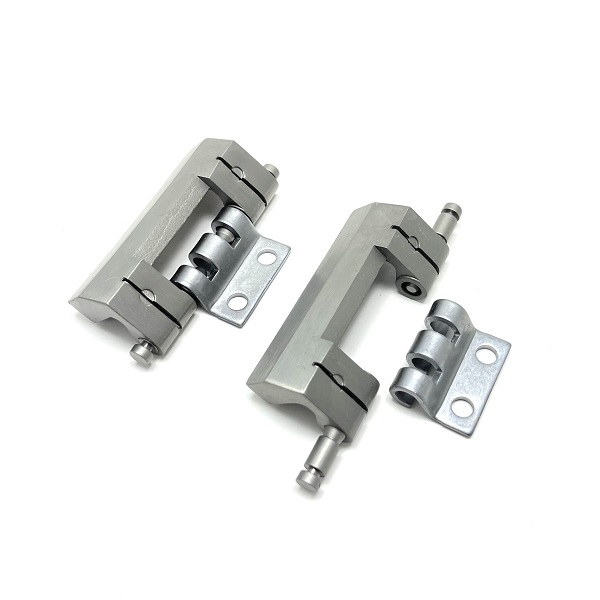
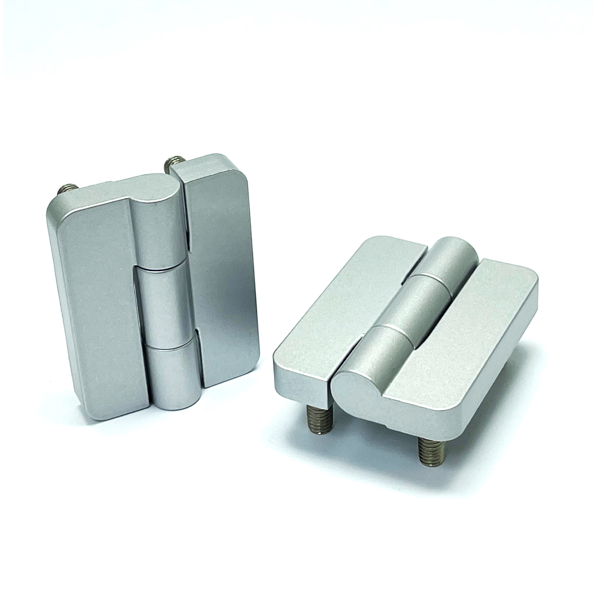
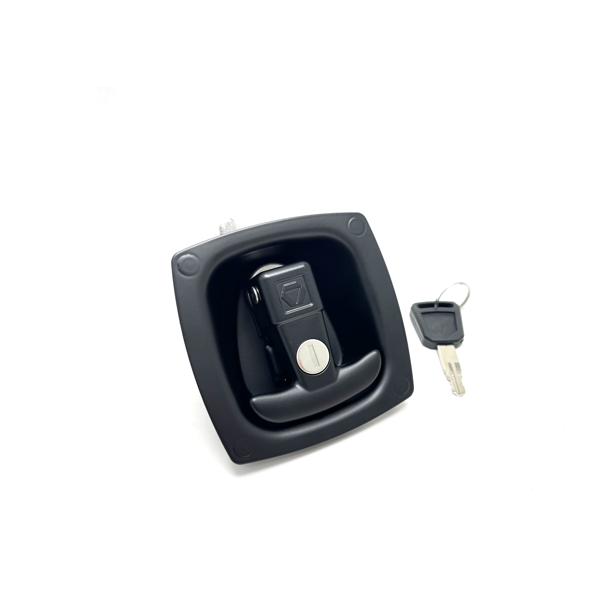
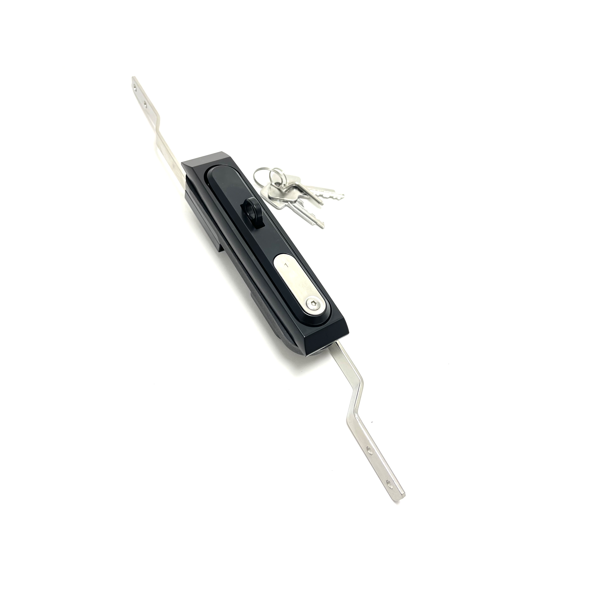
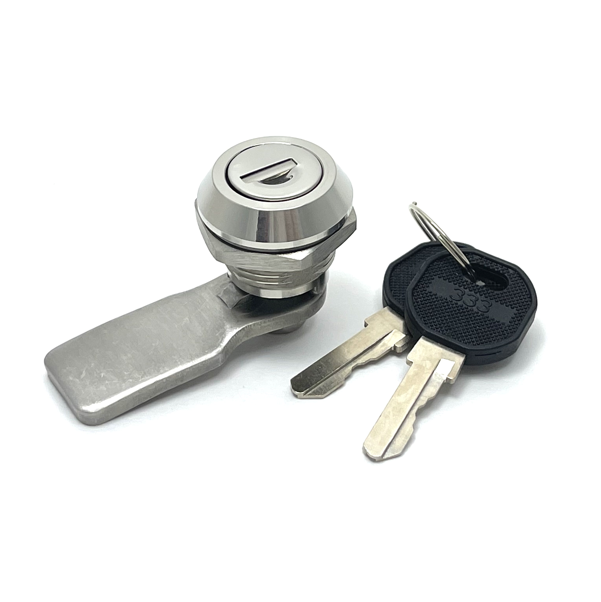
Featured products engineered for exceptional salt spray resistance


 +886-2-26031387